Our History Manufacturing Expertise
Supporting Modern Construction
Contact us

Our heritage, expertise and customer service set us apart in the industry.

A story built on family, resilience and evolving engineering. History has thrown a lot at us: world wars, economic downturns, and global pandemics. Yet through it all, we’ve remained balanced, headstrong, and ready to take on whatever comes next.

Follow our journey and see how ingenuity, persistence, and a strong foundation kept us standing tall.

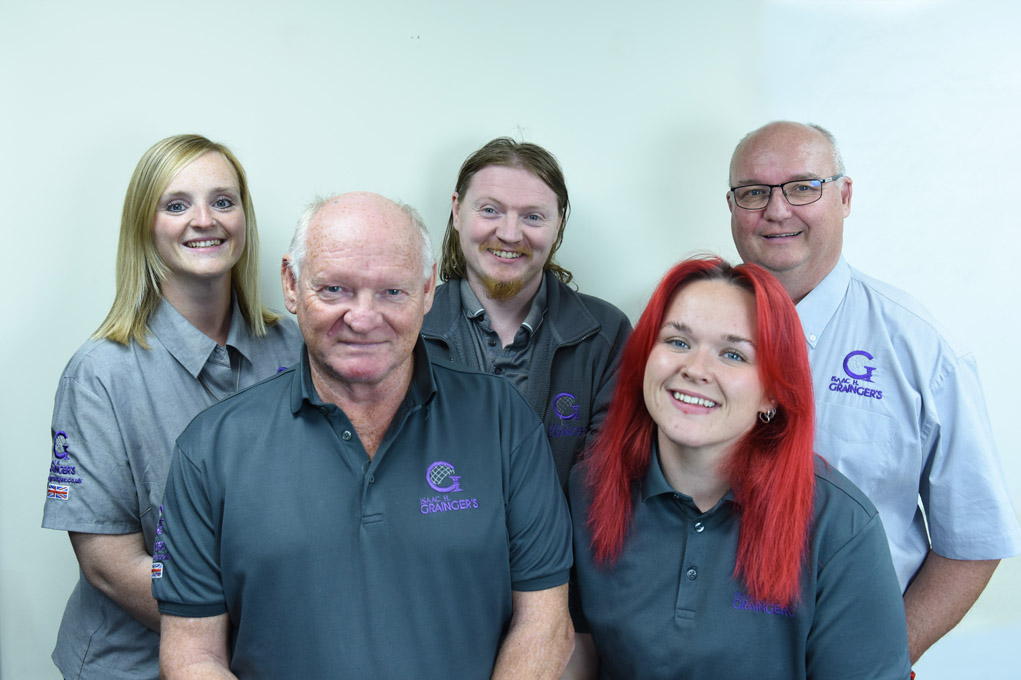
We are proud to be born and bred in the Black Country where our business has never left the family. Today the company is led by fifth generation directors Ivan and Robin, while Nathan, Rebecca and Amelia represent the sixth generation, learning the ropes and bringing with them new ideas, a more modern outlook and environmental improvements for the future.

Isaac H. Grainger & Son Ltd has developed from a small family forge into a specialist British manufacturer. The history of the business is one of resilience, adaptation and long-term engineering knowledge, with each generation building on the last.

Our History At A Glance

The major shifts in Grainger’s history, from blacksmithing and forged fittings to access flooring, specialist manufacture and a sixth generation now involved in the business.
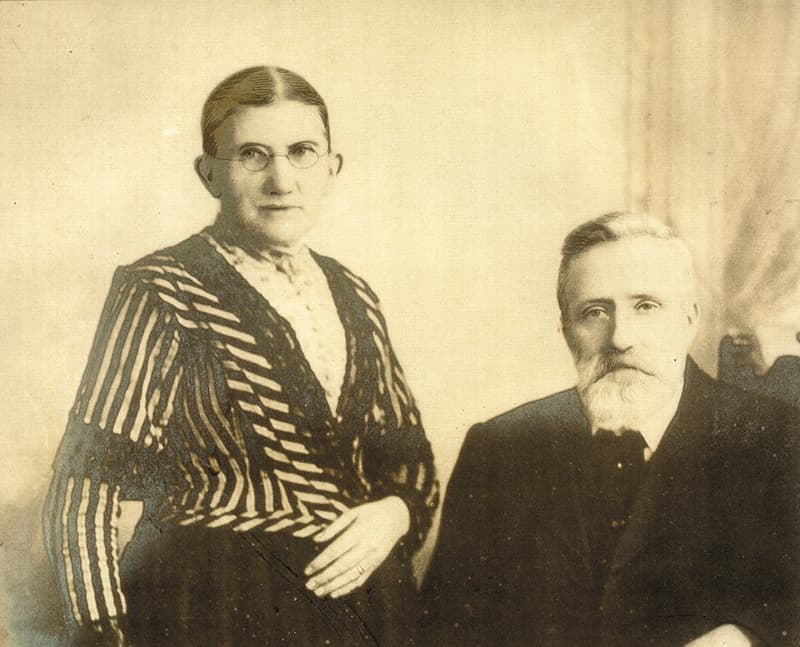
Historic Grainger family portrait

1864 to 1905

Founded by Stephen Grainger in Netherton, with forged fittings for gas, water and steam becoming the early core of the business.
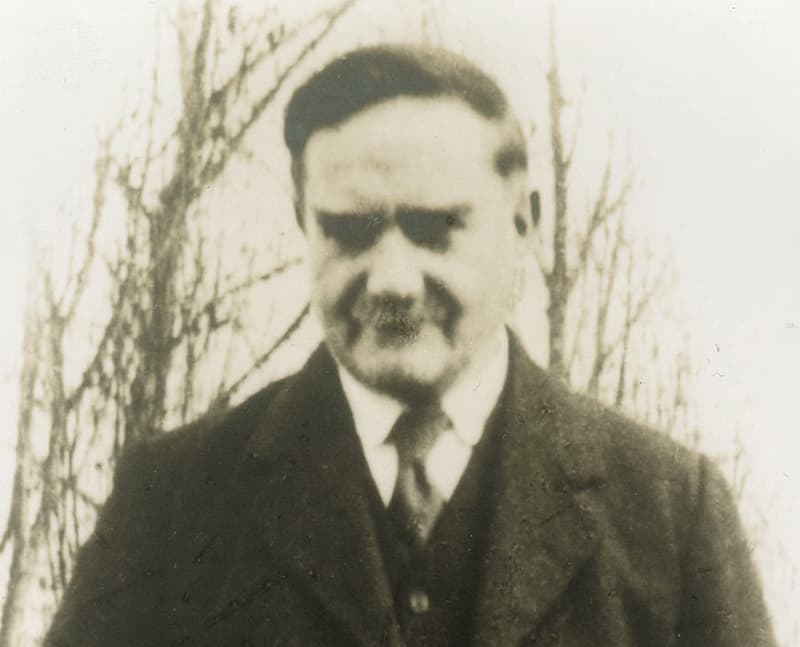
Historic portrait from the Grainger archive

1920s to 1940s

Mechanisation, wartime production and industrial adaptation broadened the company beyond traditional forging alone.
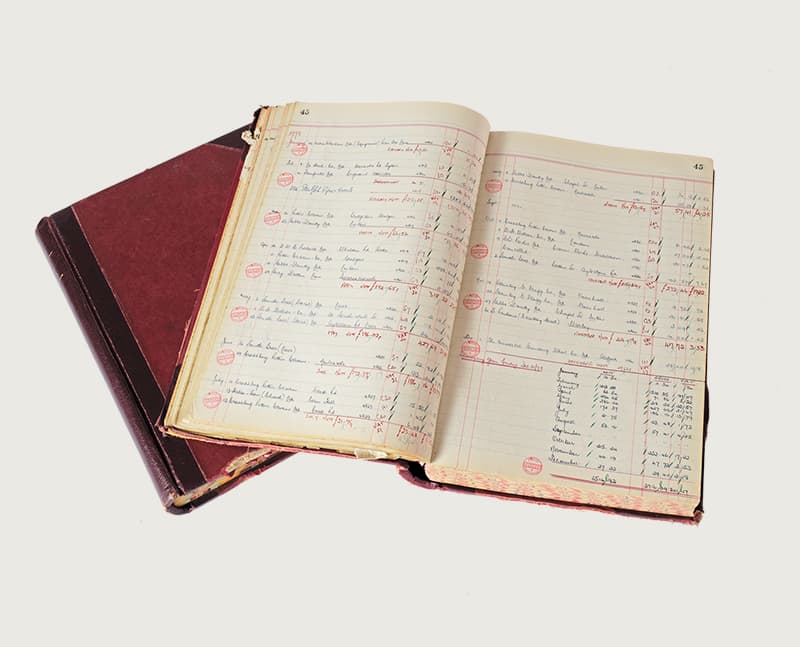
Historic Grainger sales ledger

1950s to 1960s

Incorporation, factory growth and increased plant capacity established a stronger modern manufacturing base.
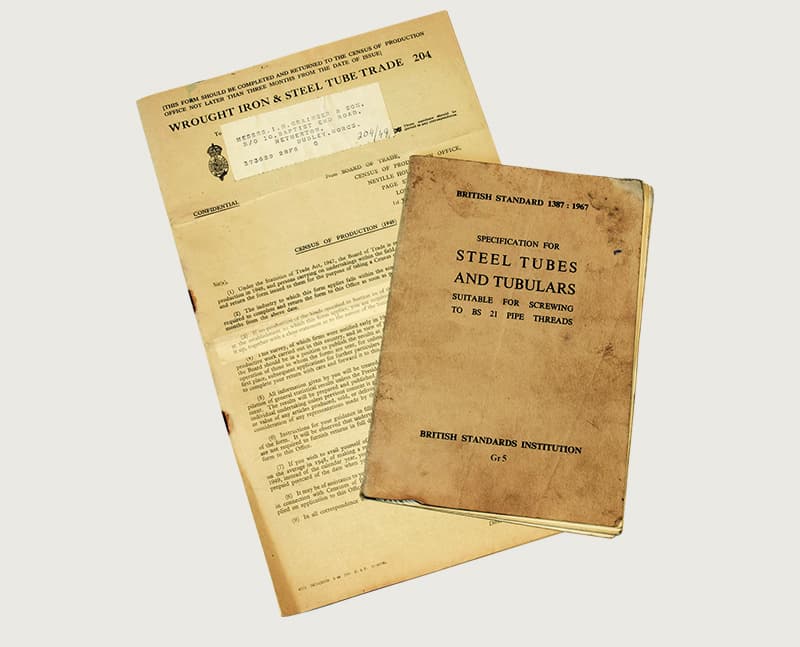
Historic engineering documents

1970s to 1980s

Restructuring, Grainger Tubolt and the first links to the access flooring market shifted the company’s direction.
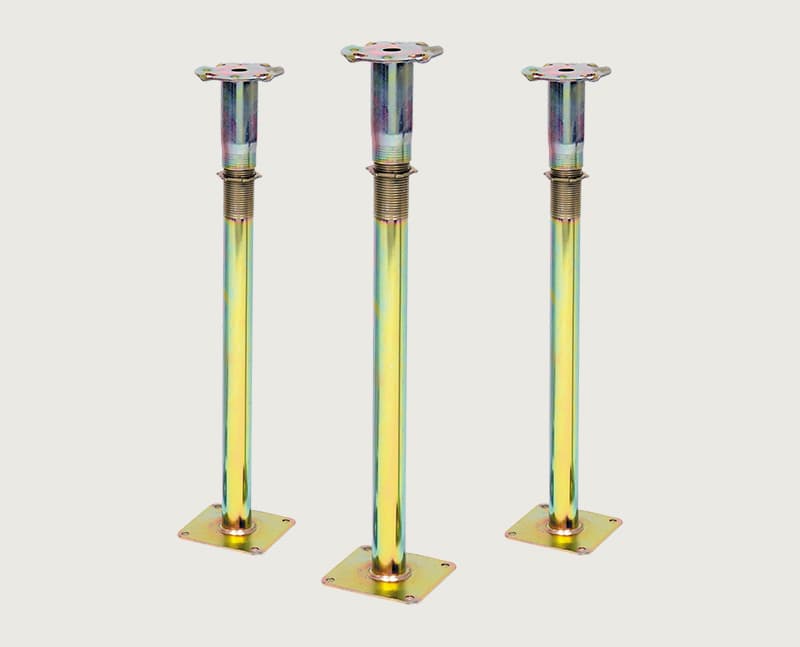
Raised access flooring pedestal products

1990s to 2024

Full pedestal manufacture, Century Works, ISO standards and sixth-generation involvement define the modern era.
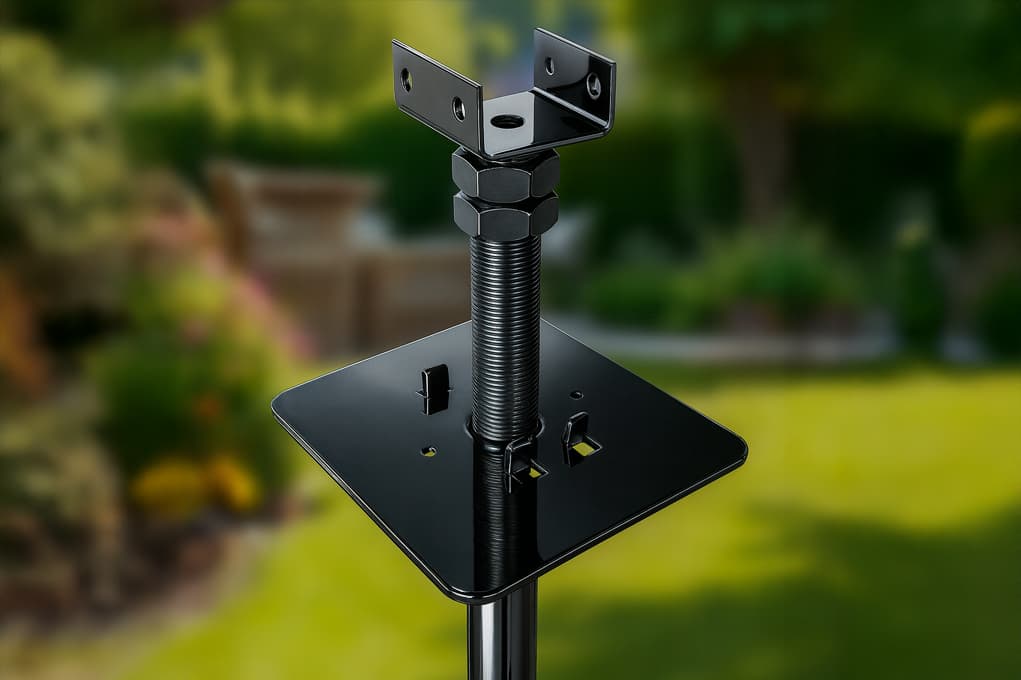
Swift Leveller product range

2025

Swift Leveller branding expanded Grainger’s offer into adjustable foundation systems for sheds and outdoor buildings.

Early Grainger family history

The early years of the business

The story begins with Stephen Grainger, born in September 1841, whose experience in forged fitting work led to the founding of the company in 1864. From a small smithy in Netherton, the business built a reputation for practical engineering and dependable manufacture.

1856 Stephen worked at Lloyd & Lloyd’s Bilston Ironworks hand forging wrought iron fittings before establishing his own business.
1864 The company was started in a small smithy at the bottom of the garden in Northfield Road, Netherton.
1866 and 1890 Isaac, whose name the company would later carry, was born in 1866. William Arthur followed in 1890, alongside his sister Frances May.
Early production Grainger’s diversified into hand forged fittings for the gas, water and steam industries, powered by eight blacksmith fires and a 10hp gas engine driven fan.
1905 The first Samuel Platt tapping machine was installed and later donated to the Black Country Museum when it opened in 1978.

From wartime production to a larger industrial operation

Through depression, war and post-war rebuilding, the business kept adapting. The company broadened its machinery, increased capability and formalised its structure while staying in family hands.

1920s Finishing and screwing machines were introduced for facing and tapping forgings, plus cutting and threading tube, helping broaden the customer base to engineers and plumbers’ merchants.
World Wars Arthur Grainger continued to run the factory at Baptist’s End, with strong demand for fittings as homes and businesses needed to be rebuilt.
1931 Isaac died and ownership passed to his widow Mary, while the business continued to be run by Arthur and May.
End of the Second World War Tube screwing and bending machinery increased, while the forged fitting side gradually reduced because of declining hand forging skills and the loss of British-made wrought iron supply.
1952 to 1956 Mary handed the business to Arthur and May, the title became Isaac H. Grainger & Son, and the company was registered as Isaac H Grainger and Sons Ltd with Companies House.
Factory growth Forty threading machines and seven open hearth furnaces were brought into the factory, allowing the works to produce full fittings rather than only components.
Historic sales ledger and industrial growth
Engineering documents from the Grainger archive

The route into access flooring

The 1970s and 1980s were the turning point. Manufacturing was reorganised, the business sharpened its specialist direction, and the company became closely tied to the development of raised access flooring in the Midlands.

1970s The manufacturing branch moved to Pembroke Dock in South Wales while the Baptist’s End site became a Midlands stockist operation.
Grainger Tubolt David established Grainger Tubolt to meet local demand for tube, tube fittings, bolts, flanges and general engineering requirements.
Early 1980s Production returned to Netherton and Neville restructured Isaac H. Grainger & Son Ltd around tubular all-thread and products made from it.
1979 and 1982 Neville’s sons Ivan and Robin joined the company after leaving school, bringing the next generation into the business.
Flooring market Grainger’s began supplying threaded tube and threaded sockets to access flooring manufacturers, laying the groundwork for future pedestal production.

Specialist manufacture, Century Works and the next generation

As demand for raised access flooring increased, Grainger’s moved from supplying components into full in-house pedestal manufacture. Investment in machinery, site improvements and people built the business customers know today.
1990s Building regulations increasingly favoured access floors and Grainger’s began manufacturing and assembling full pedestals in-house.
In-house machinery Specialised thread rolling machinery was developed in-house and is still used today.
2000 After 100 years at Baptist End Works, the company moved to Century Works in Gawne Lane, only a short distance from both Baptist End and the original Northfield Road site.
Continuous improvement Older lathe machinery was donated to the Black Country Museum and continued improvements were made to create a better working environment.
2014 and after The company celebrated its 150th anniversary, achieved ISO Environmental and ISO Quality standards, and welcomed Nathan, Amelia and Rebecca into the family business as the sixth generation.
India facility To support long-term growth, improve sustainability and strengthen supply resilience, Grainger’s invested in a dedicated manufacturing facility in India to complement its UK operations, producing a selected range of pedestals to the same material, machinery and quality standards.
2025 Swift Leveller branding expanded Grainger’s offer into adjustable foundation systems for sheds and outdoor buildings.
Today Grainger’s supplies all-thread, pipe fittings, tubes and a full range of raised access flooring systems and accessories, with global distribution and a reputation as the only UK manufacturer of raised access flooring pedestals.
Grainger family and next generation

A family business with long-term engineering depth

Grainger’s history matters because it explains the company’s strengths today: family continuity, British manufacturing, product quality, responsive customer service, specialist raised access flooring knowledge, and a willingness to keep adapting.

Only UK manufacturer Grainger’s remains the only UK manufacturer of raised access flooring pedestals.
Quality and environment ISO standards support the company’s commitment to quality, environmental management and long-term improvement.
Customer support Outstanding service, responsive supply and technical know-how continue to drive the business forward.

Built on heritage. Focused on what comes next.

From a blacksmith’s forge in Netherton to a specialist British manufacturer, the company’s history is not just about age. It is about relevance, resilience and the ability to keep building for the future.

Get in touch